ঢাকা ১২:১০ পূর্বাহ্ন, শনিবার, ২৪ জানুয়ারী ২০২৬, ১০ মাঘ ১৪৩২ বঙ্গাব্দ
সর্বশেষ সংবাদ
শরীফ ওসমান হাদী: নৈতিক সাহস ও রাজনৈতিক দায়বদ্ধতা শহীদ হাদি হত্যাকারীদের বিচারের দাবিতে নগরীতে পদযাত্রা ঐক্যবদ্ধ প্রচেষ্টার মাধ্যমে কাঙ্কিত সাফল্য অর্জন সম্ভব- ব্যারিস্টার এম এ সালাম সামাজিক এসোসিয়েশন সাফ’র কমিটি পুনর্গঠন : সভাপতি এনকে নয়ন, সম্পাদক শাহিন সামাজিক এসোসিয়েশন সাফ’র কমিটি পুনর্গঠন :  সভাপতি এনকে নয়ন, সম্পাদক শাহিন নির্বাচনী ইস্তেহারে শিক্ষার সুস্পষ্ট রূপরেখা চাই সিলেট প্রেসক্লাবের নতুন কমিটির সাথে ফ্রান্স বাংলাদেশ প্রেসক্লাব ও ফ্রান্স দর্পণ পরিবার মত বিনিময় বিদায়ী শিক্ষকদের সংবর্ধনা ও মরণোত্তর সম্মাননা প্রদান আপোষহীন নেত্রীর চির বিদায় : শোকে মুহ্যমান গোটা জাতি এনসিপি থেকে তাসনিম জারার পদত্যাগ, নির্বাচন নিয়ে নতুন ঘোষণা

Priority Seats: But Where Is Humanity?

  • আপডেট সময় ০৪:৩২:৪০ অপরাহ্ন, শুক্রবার, ২৩ জানুয়ারী ২০২৬
  • ৭ বার পড়া হয়েছে

Jannatul Ferdous Doly, Uk

In the United Kingdom, the majority of people rely on public transport such as trains and buses for their daily commute. Yet, the scenes I witness almost every day are deeply disheartening.
Elderly people holding handrails, or pregnant women clutching their bellies, are often seen standing near train doors or in the middle of crowded carriages. This happens despite the clear presence of Priority Seats. Due to a lack of human compassion among some passengers, daily travel has become increasingly difficult and painful for those who need these seats the most.
Many people deliberately pretend not to notice. Eyes fixed on mobile screens, headphones on, lost in sleep or entertainment— as if the reflection on a phone screen and the comfort of a seat define their sense of humanity. They show little to no concern for those for whom giving up a seat is not a favour, but a necessity.
Every day, we see the sign that reads “Please offer this priority seat.” Sadly, some people seem to have lost the ability—or the conscience—to understand what this message truly means. As a result, sick, elderly, and pregnant passengers suffer discomfort instead of finding relief.
One day, while I was seated on a train, I noticed a pregnant woman standing near the door with a baby stroller. I immediately stood up and offered her my seat. She accepted with visible relief, sat down with her tired body, and gave me a gentle, peaceful smile.
Believe me, in that smile I saw the victory of humanity. Giving up a seat never makes anyone poorer. Rather, it reflects our civilisation and conscience— a mirror in which we recognise our humanity.
On another occasion, I was standing near the door when an elderly man boarded the train at Whitechapel station. He was holding a walking stick and searching helplessly for a seat. Meanwhile, a young man was occupying a priority seat, completely absorbed in his mobile phone— lost in games and casual chats.

In a situation where offering a seat to a deserving person is a basic human responsibility, many now choose to avoid it, considering it an inconvenience. This is never acceptable. A nation’s culture and humanity are often judged by such small yet meaningful acts.
A few months ago, while travelling to Whitechapel, I was fortunate to meet a respected teacher of mine, Ataur Rahman Sir on the train. He was seated at the time and, given his age, was fully entitled to the priority seat. Yet, upon seeing a pregnant woman standing, he immediately stood up and offered her his seat.
The woman looked at him in surprise and gratitude, thanked him repeatedly, and sat down with her exhausted body. The peace and relief on her face were truly beautiful. I felt immense pride witnessing such humanity in my teacher. I hope the many silent onlookers on that train learned something from that moment— though for them, offering a priority seat seemed merely optional.
In truth, it is a moral and human obligation for all of us. An elderly man gave up his seat for a pregnant woman, while many young men and women remained seated— a clear reflection of indifference and moral blindness.
Therefore, no matter which country we live in or which transport we use, we must never forget the true meaning of priority seating. We should never hesitate to offer our seat to those who genuinely need it.
Let us awaken our conscience. Let us proudly offer priority seats. Change begins with us— and only then will those around us change. Only then will these painful scenes on trains begin to fade.
And finally, in the language of poetry, my humble appeal:
“A seat is never too small to give,
For in its sacrifice, humanity lives.
Leave a little comfort behind today,
Let conscience lead you on the way.
Give the weak the seat they need,
Only then, as human, you’ll succeed.”


✍️Jannatul Ferdous Doly
Poet & Writer
Reporter: Bangla View. Net,J Times TV
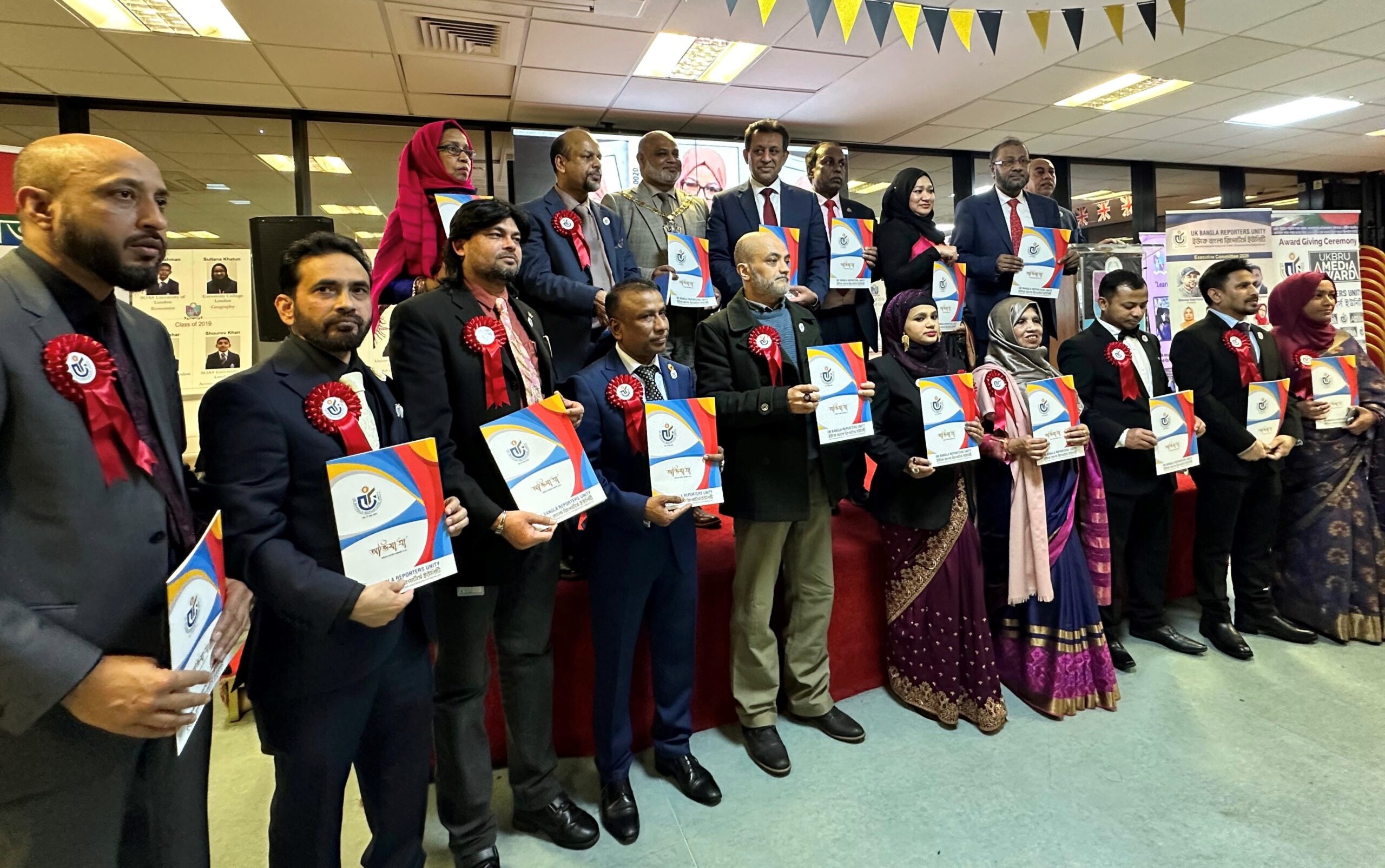
Organising & Training Secretary of Uk Bangla Reporters Unity. Uk.
(Published Poetry book ‘Abak Kora Aj’

 

ট্যাগস :
আপলোডকারীর তথ্য

লক ডাউন পরবর্তী পরিস্থিতি মোকাবেলায় ফ্রান্সে চলছে ব্যাপক প্রস্তুতি

যুক্তরাজ্যে করোনার মধ্যেই শিশুদের মাঝে নতুন রোগের হানা

Priority Seats: But Where Is Humanity?

Priority Seats: But Where Is Humanity?

আপডেট সময় ০৪:৩২:৪০ অপরাহ্ন, শুক্রবার, ২৩ জানুয়ারী ২০২৬

Jannatul Ferdous Doly, Uk

In the United Kingdom, the majority of people rely on public transport such as trains and buses for their daily commute. Yet, the scenes I witness almost every day are deeply disheartening.
Elderly people holding handrails, or pregnant women clutching their bellies, are often seen standing near train doors or in the middle of crowded carriages. This happens despite the clear presence of Priority Seats. Due to a lack of human compassion among some passengers, daily travel has become increasingly difficult and painful for those who need these seats the most.
Many people deliberately pretend not to notice. Eyes fixed on mobile screens, headphones on, lost in sleep or entertainment— as if the reflection on a phone screen and the comfort of a seat define their sense of humanity. They show little to no concern for those for whom giving up a seat is not a favour, but a necessity.
Every day, we see the sign that reads “Please offer this priority seat.” Sadly, some people seem to have lost the ability—or the conscience—to understand what this message truly means. As a result, sick, elderly, and pregnant passengers suffer discomfort instead of finding relief.
One day, while I was seated on a train, I noticed a pregnant woman standing near the door with a baby stroller. I immediately stood up and offered her my seat. She accepted with visible relief, sat down with her tired body, and gave me a gentle, peaceful smile.
Believe me, in that smile I saw the victory of humanity. Giving up a seat never makes anyone poorer. Rather, it reflects our civilisation and conscience— a mirror in which we recognise our humanity.
On another occasion, I was standing near the door when an elderly man boarded the train at Whitechapel station. He was holding a walking stick and searching helplessly for a seat. Meanwhile, a young man was occupying a priority seat, completely absorbed in his mobile phone— lost in games and casual chats.
In a situation where offering a seat to a deserving person is a basic human responsibility, many now choose to avoid it, considering it an inconvenience. This is never acceptable. A nation’s culture and humanity are often judged by such small yet meaningful acts.
A few months ago, while travelling to Whitechapel, I was fortunate to meet a respected teacher of mine, Ataur Rahman Sir on the train. He was seated at the time and, given his age, was fully entitled to the priority seat. Yet, upon seeing a pregnant woman standing, he immediately stood up and offered her his seat.
The woman looked at him in surprise and gratitude, thanked him repeatedly, and sat down with her exhausted body. The peace and relief on her face were truly beautiful. I felt immense pride witnessing such humanity in my teacher. I hope the many silent onlookers on that train learned something from that moment— though for them, offering a priority seat seemed merely optional.
In truth, it is a moral and human obligation for all of us. An elderly man gave up his seat for a pregnant woman, while many young men and women remained seated— a clear reflection of indifference and moral blindness.
Therefore, no matter which country we live in or which transport we use, we must never forget the true meaning of priority seating. We should never hesitate to offer our seat to those who genuinely need it.
Let us awaken our conscience. Let us proudly offer priority seats. Change begins with us— and only then will those around us change. Only then will these painful scenes on trains begin to fade.
And finally, in the language of poetry, my humble appeal:
“A seat is never too small to give,
For in its sacrifice, humanity lives.
Leave a little comfort behind today,
Let conscience lead you on the way.
Give the weak the seat they need,
Only then, as human, you’ll succeed.”


✍️Jannatul Ferdous Doly
Poet & Writer
Reporter: Bangla View. Net,J Times TV
Organising & Training Secretary of Uk Bangla Reporters Unity. Uk.
(Published Poetry book ‘Abak Kora Aj’